
The double standards of Far-Right terrorism in the UK
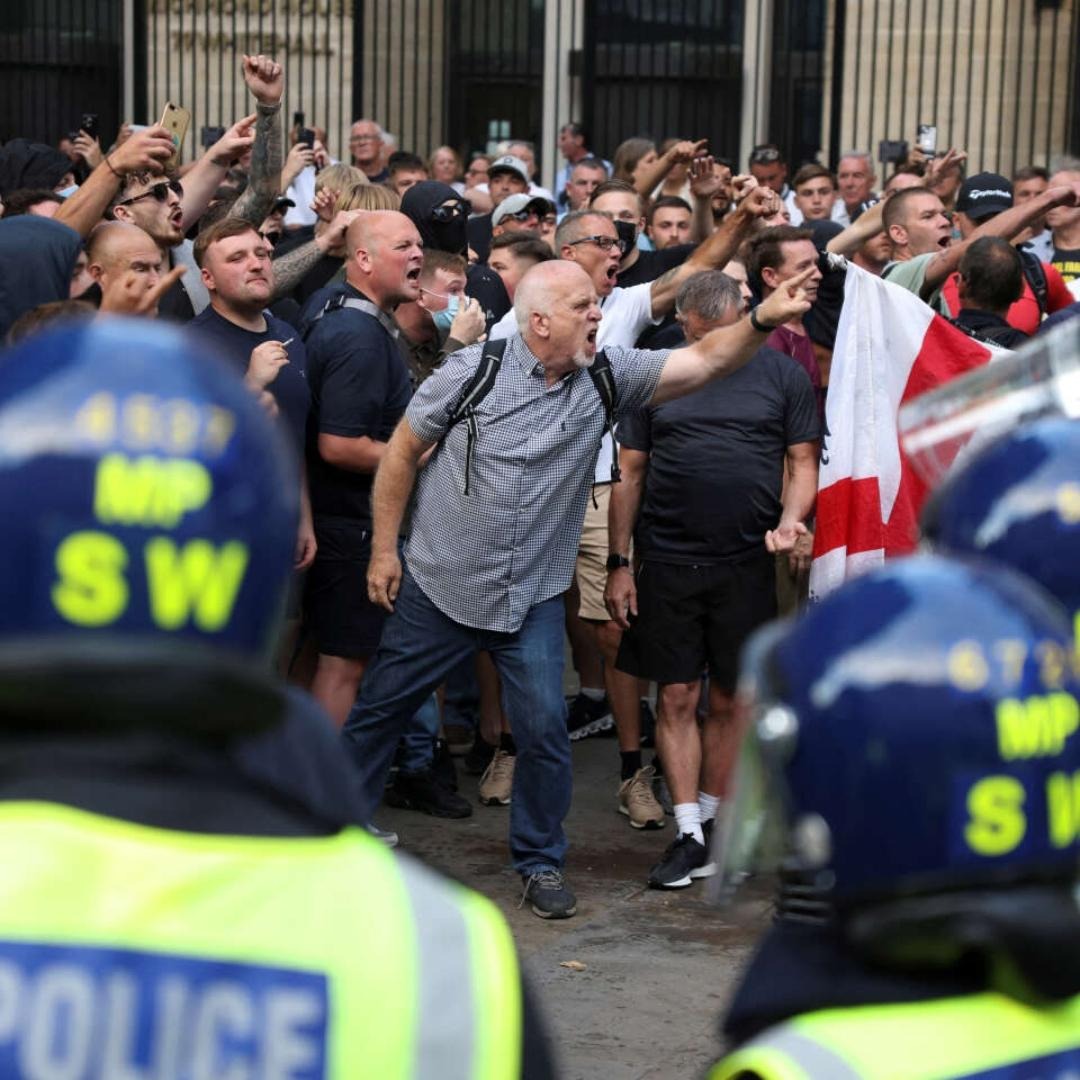
This week in the UK, the streets have been alive with the sound of far-right hate marches, a terrifying spectacle ignited by the recent Stockport incident. Muslims, ethnic minorities and black people are being targeted with a ferocity that can only be described as chilling. The atmosphere is electric with fear and uncertainty, as hate-fuelled mobs, egged on by far-right influencers, roam the streets. But let’s not call it what it is—a hate march – terrorism. No, it’s just a ‘protest,’ according to the mainstream narrative.
Muslim women are too scared to leave their homes, let alone go to work, out of fear of being attacked. Mosques, once places of sanctuary and community, are being smashed up with alarming regularity. Meanwhile, social media platforms are being used not to connect people, but to promote hate and recruit more marchers to loot, destroy and cause chaos. But hey, it’s just a bit of civil unrest, right?
The impact of these hate marches on vulnerable groups, especially children, women and minorities cannot be overstated. Children are growing up in an environment where they are taught to fear for their safety, simply because of their ethnic background or religious beliefs. The psychological toll is immense, as they navigate a world that seems increasingly hostile. Women, particularly those who are visibly Muslim, face the constant threat of violence and harassment, leading many to isolate themselves out of fear. The elderly and other vulnerable minorities are equally at risk, often finding themselves targeted simply for existing in spaces that these far-right extremists have decided to invade.
Imagine for a moment if these were Muslim men orchestrating such violence. Celebrities, politicians, influencers and every mainstream media outlet would descend like flies on fresh manure, decrying the ‘terrorism’ and calling for immediate action. Yet here we are, with thugs on the streets and the narrative is curiously muted. The double standard is not just glaring; it’s blinding.
This hate-fueled rampage isn’t happening in a vacuum. It’s the inevitable outcome of a nation that has allowed media and institutions to peddle Islamophobia and bigotry unchecked. We’ve created an environment where intolerance can thrive, where hatred is normalised and where the victims are further marginalised.
The media, in particular, bears a significant share of the blame. For years, sensationalist reporting and biased coverage have stoked the fires of hatred, painting minorities as perpetual outsiders and threats. This relentless demonisation has laid the groundwork for the current climate of fear and violence. When a society’s institutions—from the press to the political sphere—fail to challenge such narratives, they implicitly endorse them.
So here we are, watching our country spiral into a pit of hatred and intolerance because we didn’t challenge the media and institutions that stoke these fires. But let’s keep pretending this is just a protest. After all, why call out terrorism when it’s so much easier to look the other way?
If we do not address this now, if we do not call out these marches for what they truly are—hate-fuelled acts of terrorism—we are setting a dangerous precedent. The far-right’s ability to mobilise and terrorise without consequence sends a clear message to minorities: you are not safe here. It’s time we step up, challenge the narrative and demand accountability from those who perpetuate hate. Our silence and inaction only serve to embolden the aggressors and further endanger the vulnerable.
Muslims love to argue over the most critical issues of our time—like whether it’s okay to wear socks during prayer or if that hijab is just the right shade of modesty.
Meanwhile, the community is being targeted and terrorised by the far-right. But who has time to tackle these serious threats when we can debate why makeup is haraam and wait until things get really bad?
Why bother with proactive measures like reporting hate crimes or engaging with local government officials to ensure justice when it’s so much easier to complain about the lack of action after the fact? It’s only when the situation becomes dire that there’s a sudden scramble to do something.
As Muslims, we should actively participate in the legal and political processes. Reporting hate crimes, collaborating with law enforcement and engaging with local government officials to help ensure that justice is served and that the community’s concerns are addressed. Maybe, just maybe, if we focus less on petty internal disputes and more on the actual threats facing our community, we might see some real change.