
The Dangerous Implications of the ‘He Wasn’t a Muslim’ Rhetoric
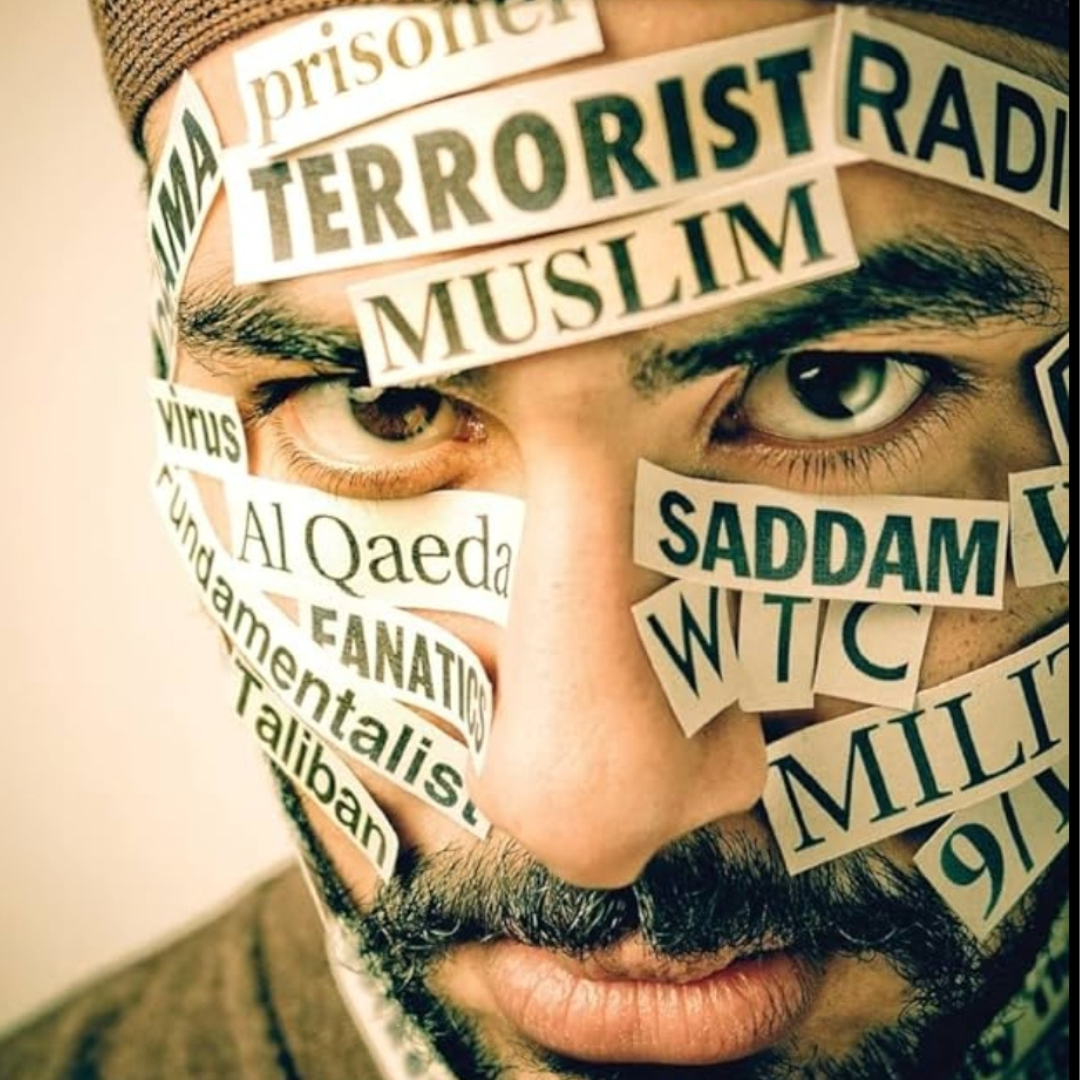
In the wake of the recent zionist- fascist violence, initially against Muslims, mosques, immigrants and then any person of colour, led to discussions revolving around the ethnicity and religion of the perpetrator once more. The claim by some anti- protestors that the attacker “wasn’t a Muslim,” implies that had the attacker been Muslim, riots or violence would be justified. This reasoning is deeply flawed and poses a serious threat to social cohesion and justice.
The suggestion that violence could be justified based on the attacker’s religion implies that collective punishment against a community is acceptable. This logic dehumanises entire groups, assuming guilt by association and ignores the principles of individual accountability and due process—cornerstones of any fair justice system.
The narrative, “the attacker wasn’t a Muslim,” the subtly condones collective retribution if the attacker belongs to a specific religious or ethnic group. This mindset perpetuates dangerous stereotypes and undermines the rule of law, where justice should be impartial and focused on the individual, not the group they belong to.
This rhetoric stems from longstanding propaganda and deep-seated prejudices which are generally directed specifically at Muslims, portraying them as inherently violent or resistant to integration. However, when violent acts are committed by individuals from other religions or ethnicities, we rarely see the same level of collective blame or calls for retribution.
Taking the Southport attacker as an example- a British born Christian choirboy. Despite his background, there has been no public outcry questioning the role of churches in radicalising individuals or contributing to violence. The absence of such scrutiny when the perpetrator is from a Christian background starkly contrasts with the intense focus on Islam whenever a Muslim is involved. This selective outrage reveals a double standard, where violence is attributed to an entire community only when it aligns with certain prejudices.
This pattern extends to other incidents of violence committed by Christians. The 2011 Norway attacks by Anders Behring Breivik, who identified as a Christian, led to the deaths of 77 people. Despite the magnitude of this tragedy, there was little discussion about Christianity’s role in radicalization or collective blame placed on Christians. Similarly, the Charleston church shooting in 2015, carried out by Dylann Roof, a self-identified Christian, sparked no widespread debate about the influence of Christianity in motivating violence. Instead, these incidents were rightly viewed through the lens of individual culpability rather than collective responsibility.
The implication that riots could be justified depending on the attacker’s identity is not only morally wrong and divisive, but also normalises collective punishment- a practice more aligned with mob justice than with democratic principles. It erodes the principles of fairness, equality before the law and respect for human rights. In a just society, responses to crime should focus on the individual’s actions, not on collective guilt.
The selective targeting of specific groups, particularly Muslims in the aftermath of violence diverts attention from the real issues at hand, such as social inequality and disenfranchisement, which affect all communities. Addressing these root causes is essential to fostering genuine social harmony and preventing violence. Following the latest episode of violence, the British community needs to analyse and challenge the Israeli/Zionist influence and dictation of actions of the British right wing.
The claim that “the attacker wasn’t a Muslim, ” also reflects how prejudice can distort our sense of justice. It underscores the dangerous implications of collective guilt and highlights the need for a consistent and fair approach to justice that applies to all, regardless of religion or ethnicity. Only by rejecting collective punishment, the two tier system of accountability and embracing equality before the law can we build a more inclusive and peaceful society.