
Bollywood Bias Against Muslims
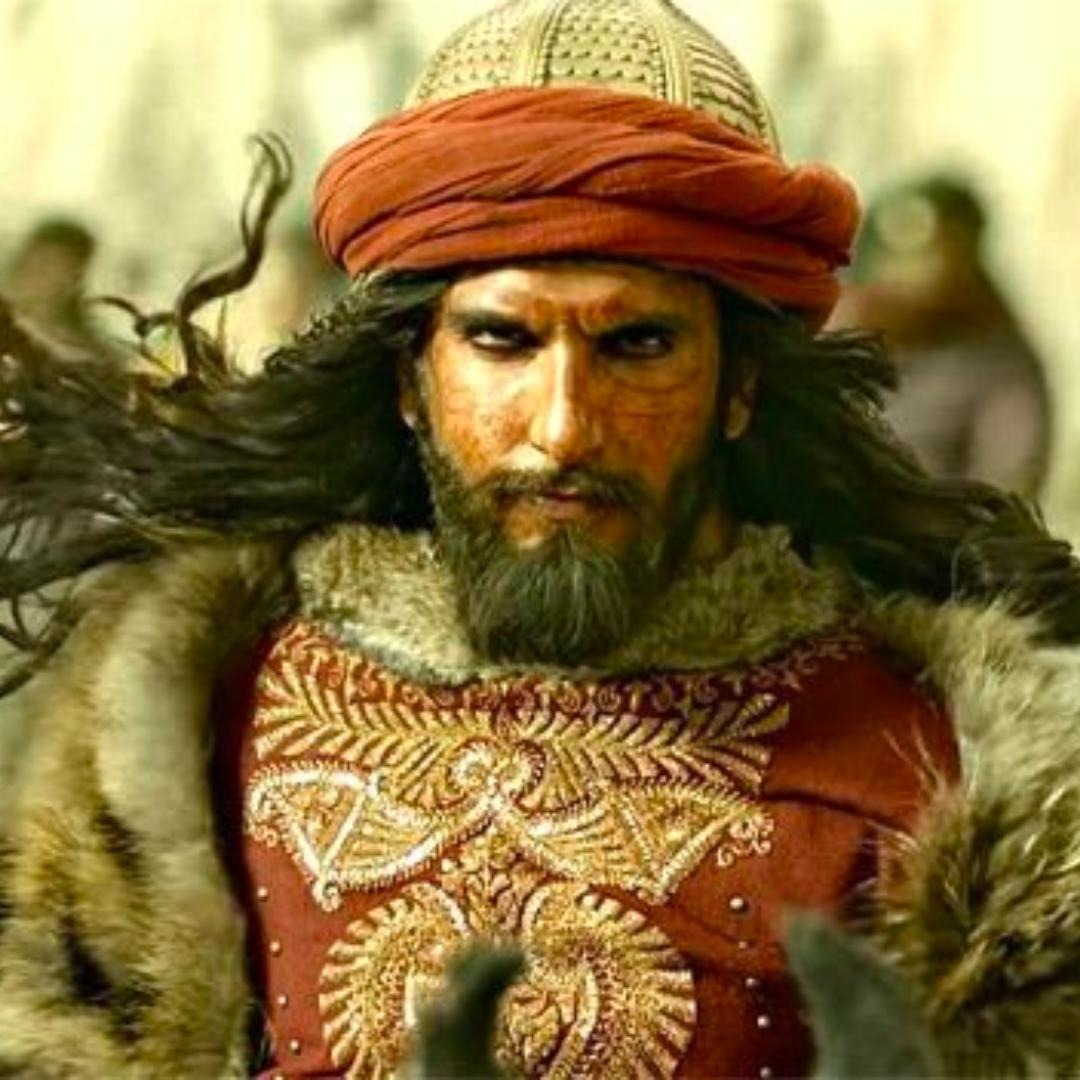
Bollywood, the informal term popularly used for the Hindi language film industry based in India, is one of the largest film industries in the world. The narratives and representations in Bollywood films are significant, given their widespread influence on Indian society and beyond. However, the depiction of Muslims in these films has often been subject to scrutiny.
Critics argue that Bollywood has perpetuated lazy stereotypes and biases, often portraying Muslims as villains. This has had significant real-world implications, including spurring Islamophobic incidents and inciting protests against films that depict Muslims in a positive or powerful light.
The Villainous Stereotype
One of the primary criticisms of Bollywood’s depiction of Muslims is the consistent portrayal of Muslim characters as villains, extremists, or terrorists. From the crime drama “Fiza” (2000), where the protagonist’s brother turns into a terrorist, to “Black Friday” (2004), based on the 1993 Mumbai bombings, a clear pattern emerges: Muslims are often linked with violence and extremism. This harmful stereotype not only propagates fear and mistrust of Muslims but also creates a monolithic image of the Muslim community, ignoring the diversity within.
The ‘Good Muslim’ vs ‘Bad Muslim’ Dichotomy
Bollywood often portrays Muslim characters within a limited ‘Good Muslim’ vs ‘Bad Muslim’ dichotomy. The ‘good’ Muslims are typically shown as secular, patriotic Indians, often distanced from their Muslim identity, as seen in “Pathaan” (2023) or “Mission Majnu” (2023). On the other hand, the ‘bad’ Muslims are shown as disloyal, violent, and overly religious, reinforcing Islamophobic stereotypes.
The oppressed Muslim woman
Movies like “Veer-Zara” (2004) and “Fanaa” (2006) have also been criticised for showing Muslim women in a bad light. They do this by making Hindu characters seem like heroes who save Muslim women who are submissive and oppressed and have lost control over their identities because of their religion.
The rise of new platforms, such as online streaming services, has started to break some of these stereotypes. Movies and series like “Gully Boy” (2019) and “Paatal Lok” (2020) have portrayed Muslim characters in a more balanced and realistic manner. However, these are met with riots or protests due to the positive depictions of Muslims.
For example, the film “Padmaavat” (2018) depicted a Muslim king, Alauddin Khilji, as a powerful and strategic, albeit flawed, character. This depiction sparked violent protests by groups claiming that the film glorified a Muslim king known for his military conquests.
Similarly, the film “My Name Is Khan” (2010) faced backlash for its sympathetic portrayal of a Muslim man with Asperger’s Syndrome navigating a post-9/11 world. Despite the film’s commercial success and critical acclaim, it was met with protests and calls for bans in several Indian states.
Films that portray Muslims in a negative light have often contributed to a climate of Islamophobia. Films such as “Gadar: Ek Prem Katha” (2001), which portrayed Muslims as disloyal and violent during the India-Pakistan partition, have been linked to increases in discriminatory attitudes and violence against Muslims. These films often simplify complex historical events and political conflicts, reducing them to stories of ‘us versus them’, thereby stoking communal tensions.
Bollywood’s powerful influence necessitates responsible storytelling. The industry must acknowledge the role it plays in shaping public opinion and attitudes, and strive to break away from harmful stereotypes and biases in its portrayal of Muslims. This includes both resisting the urge to cast Muslims as the villain consistently, and having the courage to depict Muslims in positive and powerful roles, regardless of potential backlash.
This calls for a collective effort from filmmakers, actors, and audiences alike to reject stereotypes and demand better representation. State authorities must ensure that the right to free expression is upheld, allowing for diverse narratives to be heard and appreciated. State authorities must also curb violent protests against films and protect freedom of expression. They should discourage and penalise hate speech and violence that may be spurred by these films.
Political participation is a practical way for Muslims to fulfil the Islamic ideals of promoting social justice, standing up for the oppressed, and maintaining peace in society.
Join MPACUK to find out how to fulfil your Islamic duty: volunteer now!
Leave a Reply
You must be logged in to post a comment.