
Orientalism: Violent Arab Muslim Men
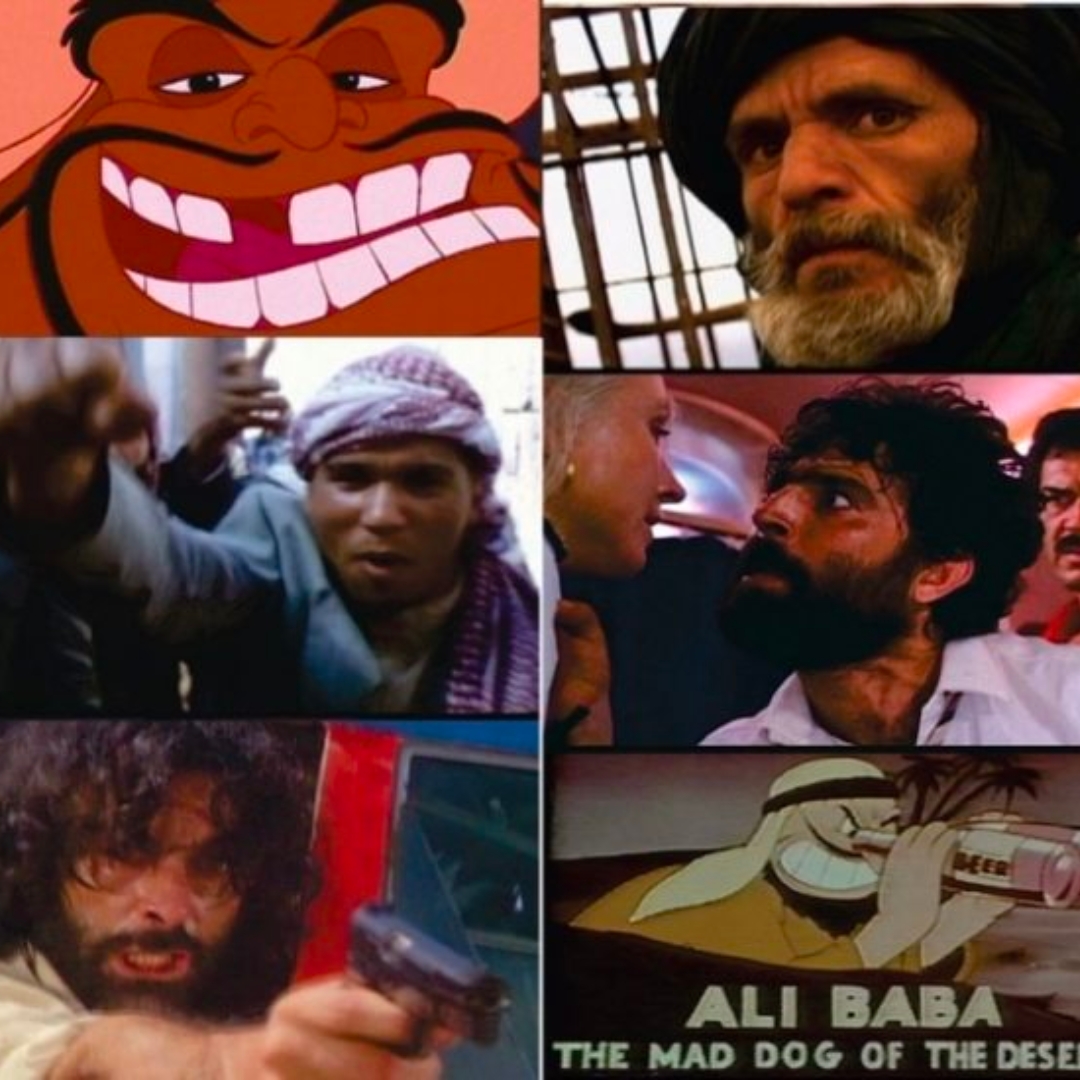
Orientalism, a concept extensively explored by Edward Said in his 1978 book, remains a critical lens through which Western societies often view the Eastern world, particularly Muslim communities. This perspective has not only persisted but has also evolved, intertwining with contemporary geopolitical narratives and media portrayals, significantly impacting the Muslim community globally.
Orientalism originated as a Western scholarly and artistic endeavour, portraying Eastern societies as exotic, backward, and uncivilised. In this framework, specifically Arab Muslim men are often portrayed as the antithesis of Western ideals of democracy, freedom, and gender equality. This perspective was not just academic or aesthetic; it was deeply political, justifying colonial and imperial ambitions of Western powers in Eastern lands.
In the post-9/11 era, Orientalism has taken on a new dimension. The portrayal of Muslims in American and European media often aligns with Said’s definition of Orientalism – depicting them as monolithic, inherently violent, and fundamentally opposed to Western values. This narrative has been perpetuated by:
1. Media Portrayals: Western media has played a crucial role in perpetuating these stereotypes. Arab Muslim men are frequently depicted as terrorists, tyrants, or oppressors in news coverage, films, and television shows. This one-dimensional portrayal ignores the diversity and complexity of their identities and experiences. Films and TV shows often reinforce stereotypes, casting Muslims in roles of terrorists or oppressive figures.
2. Political Rhetoric: Political discourse, particularly from right-wing factions in the USA and Europe, frequently employs Orientalist tropes. Muslims are often presented as a ‘threat’ to Western civilization, leading to policies that target Muslim communities, such as the ‘Muslim Ban’ in the USA. Politicians in the West have sometimes exploited these stereotypes to justify foreign policy decisions, including military interventions and support for certain regimes over others. By painting Arab Muslim men as a monolithic threat, it becomes easier to garner public support for actions against them.
3. Public Perception: These narratives have significantly influenced public perception. A study by the University of Alabama showed that exposure to negative portrayals of Muslims in the media increases support for public policies that harm Muslims domestically and internationally.
Global Spread and Impact:
The effects of modern Orientalism are not confined to the West. Globalisation and the internet have facilitated the spread of these narratives, influencing perceptions worldwide. This has led to a rise in Islamophobia, hate crimes, and discriminatory policies against Muslims in various countries.
The portrayal of Arab Muslim men as violent, aggressive, merciless, and oppressive is a deeply entrenched stereotype that has been perpetuated through the lens of Orientalism. This narrative, often propagated by Western media and political rhetoric, has significant and far-reaching consequences, particularly in conflict zones like Gaza. Such misrepresentation obscures the reality of their suffering under Israel’s policies and military actions.
Consequences
Dehumanisation: This portrayal contributes to the dehumanisation of Arab Muslim men, making it easier for their suffering to be ignored or minimised. In places like that in Gaza, they are often seen as collateral damage, rather than victims with rights and dignity.
Selective Empathy: Whilst there may have been calls for ceasefire in Gaza by some European countries in order to protect the women and children, it is important to note they leave out the calls to end violence for men. It suggests that the lives of men are somehow less valuable or that their deaths are more acceptable. This bias stems from the entrenched stereotype of Arab Muslim men as inherently violent and thus less worthy of protection or sympathy.
Lack of Counter-Narratives: The absence of strong counter-narratives in mainstream Western discourse allows these stereotypes to persist unchallenged. The voices of Arab Muslim men themselves, along with nuanced and diverse representations, are often missing from the conversation.
The exposure of the oppression, bombing, and killing of Gazan’s through social media has played a pivotal role in reshaping the narrative around Arab Muslim men. These platforms have provided a raw, unfiltered view of the realities on the ground, challenging the long-held Orientalist stereotype of Arab Muslim men as oppressors. Instead, the world is witnessing their vulnerability and suffering, revealing them as victims of aggression and systemic injustice.
The images and stories shared on social media, often by the victims themselves, by the press on the ground, or by eyewitnesses, offer a powerful counter-narrative. They humanise these men, showing them as fathers, sons, and brothers, caught in a genocide inflicted upon them, struggling for survival and dignity. This shift in perception is crucial in garnering international empathy and support, and in advocating for their rights and protection in the face of ongoing violence.
However, the Muslim community’s delay in crafting and promoting their own narratives has had significant consequences. For too long, the portrayal of Muslims, particularly Arab Muslim men, has been left in the hands of those who view them through an Orientalist lens. This lack of proactive storytelling and counter-narrative has contributed to the perpetuation of stereotypes and misunderstandings, which in turn has fuelled the genocide in Gaza.
It’s a stark reminder of the power of narrative and the urgent need for the Muslim community to engage more actively in shaping their own story. Mosques, Islamic centres, and community groups must become hubs of activism and education, not only for spiritual guidance but also for empowering their communities to challenge misconceptions and advocate for their rights. Education is key in this endeavour.
While it’s true that the Muslim community has been late in addressing this issue, it’s never too late to start. By harnessing the power of media, community engagement, and education, there’s still an opportunity to stall further damage, and ensure that their voices and truths are heard and understood globally.
*Raise your voice for justice and contribute to the narrative; join the MPACUK team*
Leave a Reply
You must be logged in to post a comment.