
A chilling trend of suppression of free speech & the siege on social media
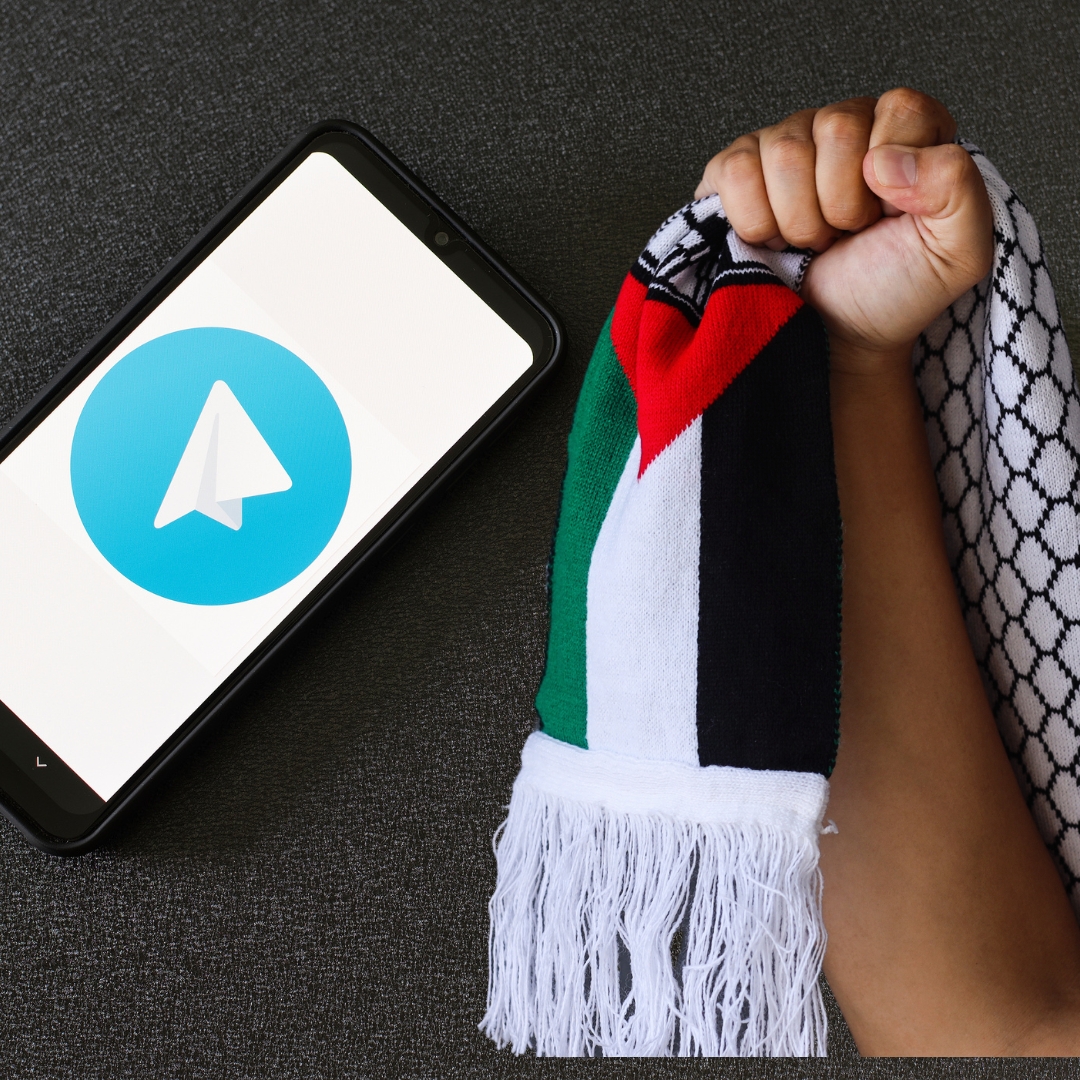
In a deeply worrying escalation of efforts to control the flow of information, last week reports emerged that the founder of Telegram, Pavel Durov, was arrested. The arrest was supposedly because of the platform’s usage to coordinate illegal activities.
Holding the founder of a social media app accountable for its usage for criminal activity is absurd to say the least. By that standard, the WhatsApp founder and owner of X should have been arrested long ago.
So what is the reason?
It is fair to conclude that this arrest is part of a broader campaign to suppress independent voices and prevent independent journalism from reaching the global stage.
Telegram has been one of the few remaining communication lifelines for people in Gaza since the genocide escalated almost a year ago. Unlike many other platforms that have faced increased pressure to censor content, Telegram has retained a reputation for privacy and user control; and its ability to facilitate the sharing of real-time news, images and videos has made it a means of sharing information with the outside world. This has made it a target of the zionist apparatus that seeks to suppress the flow of information from the region.
This raises the broader concern about whether platforms like TikTok could be next, as the global powers that be seek to exert control over social media to protect state narratives and shield themselves from global scrutiny.
TikTok has also quickly become a dominant force in the social media landscape, with its short-form videos often going viral and reaching millions. Its unique algorithm allows users to stumble upon a wide variety of content, including political and social justice-related material. In the context of Gaza, TikTok has also been used to amplify the voices of Palestinians and activists raising awareness of the crisis; therefore making it next line for similar action.
With TikTok’s massive global reach and its capacity to disseminate information rapidly, it will most likely soon find itself facing similar pressure to allow greater governmental access to user data or face restrictions – as it has done in America, or even worse, the arrest of its Chinese owners.
The implications of this trend are alarming. If platforms like Telegram and TikTok come under increasing attack, it could mark the beginning of a broader crackdown on social media platforms that provide users with the ability to share uncensored information. Such a development would leave spy agencies and intelligence operations with greater access to private communications, while the voices of ordinary people, activists and journalists will be increasingly silenced.
The suppression of information extends beyond tech executives. Prominent journalists Sarah Wilkinson and Richard Medhurst have also been arrested, due to their outspoken coverage of Gaza and their critiques of governmental policies in the region.
Wilkinson and Medhurst have been relentless in their efforts to bring uncensored news from the ground to international audiences, challenging official narratives and amplifying the voices of those affected by the conflict.
Their arrests are part of a worrying trend: when governments are unable to control the narrative through legal means, they turn to intimidation and suppression, targeting journalists who refuse to tow official lines. As independent media outlets become more marginalized, journalists like Wilkinson and Medhurst face increasing risks.
Never has it been more vital to speak truth to power than today.