
16th June 2024 in Europe articles, Palestine articles, Recent Article, UK articles, Zionism articles
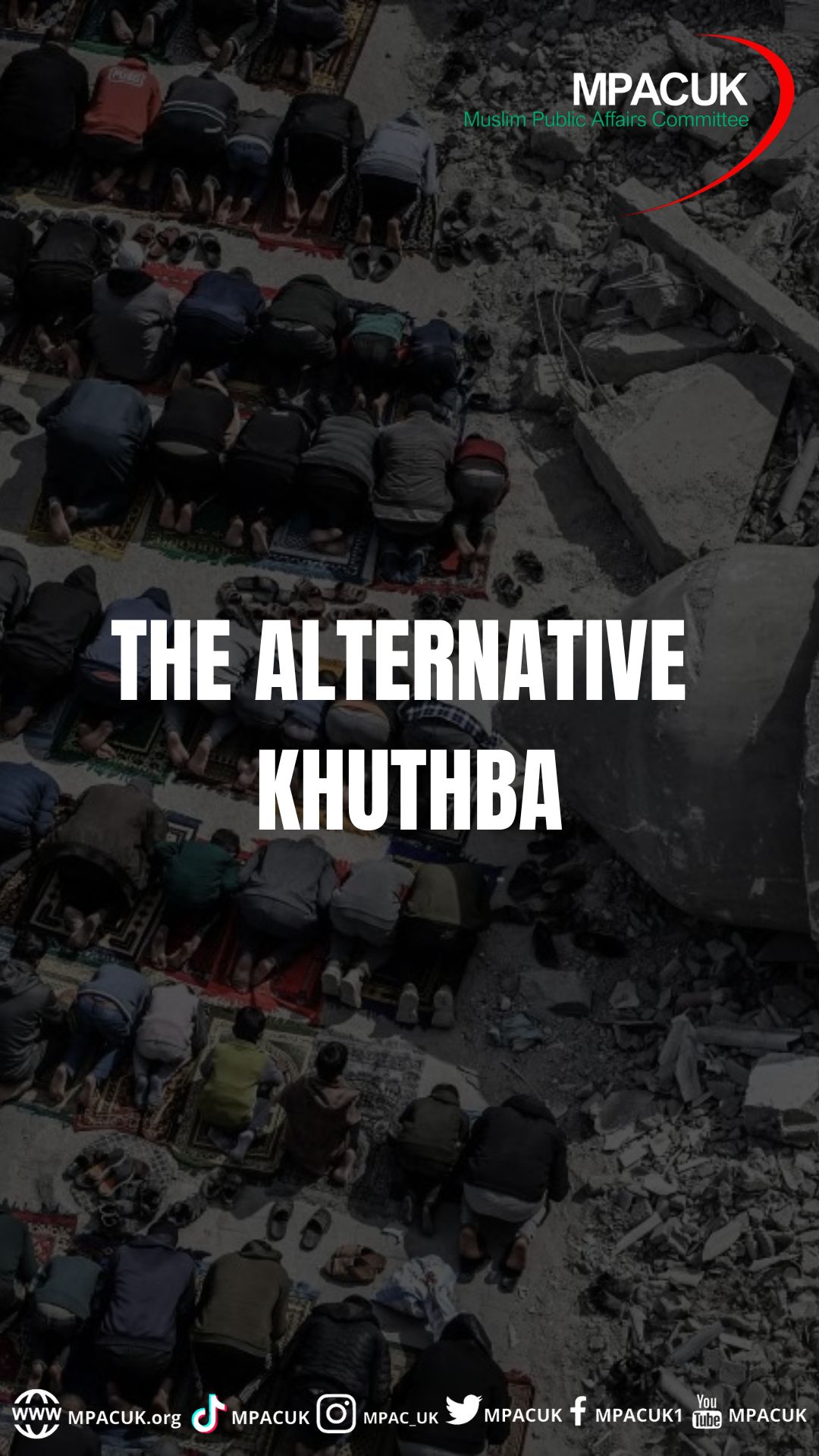
The Alternative Jummah Khutbah
Promoting Good and Forbidding Evil by the Means at Your Disposal (e.g. using political participation as a tool to change the state of Muslims)
Opening (Khutbat al-Haajah)
Alhamdulillah, all praise is due to Allah. We praise Him, seek His help and forgiveness. We seek refuge with Allah from the evil of our own souls and from our bad deeds. Whomsoever Allah guides will never be led astray, and whomsoever Allah leads astray, no one can guide. I bear witness that there is no god but Allah, alone, without any partners, and I bear witness that Muhammad is His servant and His Messenger. Dear brothers and sisters in Islam, Let’s focus on the Islamic principle of promoting good and forbidding evil, known as Amr bil Ma’ruf wa Nahi anil Munkar. It is a cornerstone of our faith and a collective duty upon the Ummah.Introduction
Allah, the Most High, says in the Holy Quran: “You are the best nation produced [as an example] for mankind. You enjoin what is right and forbid what is wrong and believe in Allah.” (Surah Al-Imran, 3:110) The Prophet Muhammad (peace be upon him) emphasised this duty when he said: “Whoever among you sees an evil, let him change it with his hand; if he cannot, then with his tongue; and if he cannot, then with his heart—and that is the weakest of faith.” (Sahih Muslim) These teachings highlight the various levels at which we can engage in promoting good and forbidding evil, underscoring the importance of using whatever means are at our disposal to uphold Islamic values in society. Islamic Evidence and JustificationWith the Hand
Changing evil with one’s hand involves taking direct, physical action to stop wrongdoing. This can be seen in the example of the Prophet Muhammad (peace be upon him) when he physically intervened to prevent harm or injustice. For instance, the Prophet (peace be upon him) intervened to protect the weak and vulnerable in society, ensuring their rights were upheld.With the Tongue
Speaking out against wrongdoing is the second level of engagement. This involves advising others, educating them about Islamic teachings, and advocating for justice. The Prophet (peace be upon him) often used his words to correct wrongs and guide people towards the right path. Example: Advising a friend who is engaging in harmful behaviour, such as supporting injustice abuse, by reminding them of the harms and encouraging them to seek repentance. Quranic Support: “And let there be [arising] from you a nation inviting to [all that is] good, enjoining what is right and forbidding what is wrong, and those will be the successful.” (Surah Al-Imran, 3:104)With the Heart
The final level is to hate the evil in our hearts if we are unable to act or speak out against it. This is considered the weakest form of faith, yet it still signifies a commitment to the principles of Islam. Example: Feeling disapproval and distress when witnessing injustice, even if one is unable to intervene directly.Practical Advice
Education
Educate yourself and others about Islamic teachings and principles. Knowledge empowers us to recognise what is right and wrong and to take appropriate actions. وَمِنَ ٱلنَّاسِ وَٱلدَّوَآبِّ وَٱلۡأَنۡعَٰمِ مُخۡتَلِفٌ أَلۡوَٰنُهُۥ كَذَٰلِكَۗ إِنَّمَا يَخۡشَى ٱللَّهَ مِنۡ عِبَادِهِ ٱلۡعُلَمَـٰٓؤُاْۗ إِنَّ ٱللَّهَ عَزِيزٌ غَفُورٌ Quranic Support: “Indeed, those who fear Allah among His servants are those who have knowledge.” (Surah Fatir, 35:28)Role Modelling
Lead by example in your community. Your actions should reflect the teachings of Islam, inspiring others to follow suit. Hadith: “The believer is the mirror of his brother.” (Al-Adab Al-Mufrad of Imām al-Bukhārī )Using Wisdom and Kindness
When advising others, use wisdom and kindness. Harshness can drive people away, while compassion and understanding can bring them closer to righteousness. Quranic Support: “Call to the way of your Lord with wisdom and good instruction, and argue with them in a way that is best.” (Surah An-Nahl, 16:125) Persistence and Patience Be persistent in your efforts to promote good and forbid evil. Change does not happen overnight, and patience is crucial.Quranic Support:
يَـٰٓأَيُّهَا ٱلَّذِينَ ءَامَنُوا۟ ٱصْبِرُوا۟ وَصَابِرُوا۟ وَرَابِطُوا۟ وَٱتَّقُوا۟ ٱللَّهَ لَعَلَّكُمْ تُفْلِحُونَ ٢٠٠ “O you who have believed, persevere and endure and remain stationed and fear Allah that you may be successful.” (Surah Al-Imran, 3:200) Conclusion So let’s remember the importance of promoting good and forbidding evil. It is a responsibility that Allah has placed upon us, and fulfilling this duty brings us closer to Him and helps build a better society. Let us strive to be proactive in this endeavour, using the practical means available to us.Du’a
O Allah, guide us to the straight path. Help us to promote good and forbid evil in the best manner. Grant us wisdom, patience, and compassion in our efforts. Protect us from the evil within ourselves and around us. Bless us and our families with Your mercy and forgiveness.Closing
May Allah send His blessings upon our Prophet Muhammad, his family, his companions, and all those who follow him until the Day of Judgement. Ameen.KHUTBA 2
Participation in the Political System with the right intentions
Opening
Alhamdulillah, all praise is due to Allah. We praise Him, seek His help and forgiveness. We seek refuge with Allah from the evil of our own souls and from our bad deeds. Whomsoever Allah guides will never be led astray, and whomsoever Allah leads astray, no one can guide. I bear witness that there is no god but Allah, alone, without any partners, and I bear witness that Muhammad is His servant and His Messenger. Dear brothers and sisters in Islam, today’s khutba will focus on the importance of participating in the political system. Our engagement in politics is essential for promoting good and preventing bad, ensuring that our values are represented, and making a positive impact on our communities. Let us delve into the Islamic evidence and justification for this important duty. Allah, the Most High, says in the Holy Quran: ۞ يَـٰٓأَيُّهَا ٱلَّذِينَ ءَامَنُوا۟ كُونُوا۟ قَوَّٰمِينَ بِٱلْقِسْطِ شُهَدَآءَ لِلَّهِ وَلَوْ عَلَىٰٓ أَنفُسِكُمْ أَوِ ٱلْوَٰلِدَيْنِ وَٱلْأَقْرَبِينَ ۚ إِن يَكُنْ غَنِيًّا أَوْ فَقِيرًۭا فَٱللَّهُ أَوْلَىٰ بِهِمَا ۖ فَلَا تَتَّبِعُوا۟ ٱلْهَوَىٰٓ أَن تَعْدِلُوا۟ ۚ وَإِن تَلْوُۥٓا۟ أَوْ تُعْرِضُوا۟ فَإِنَّ ٱللَّهَ كَانَ بِمَا تَعْمَلُونَ خَبِيرًۭا ١٣٥ “O you who have believed, stand out firmly for justice, as witnesses to Allah, even if it be against yourselves or your parents and relatives.” (Surah An-Nisa, 4:135) This verse emphasises the obligation to stand up for justice, a principle that extends into all aspects of life, including politics.The Prophet Muhammad (peace be upon him) said:
“The best of people are those who are most beneficial to people.” (al-Mu’jam al-Awsaṭ lil-Ṭabarānī 6026 This hadith highlights the importance of contributing to the welfare of society. Political participation is a significant avenue through which we can benefit others by advocating for policies that promote justice, equity, and welfare.Islamic Evidence and Justification
Promotion of Good Governance
The Prophet Muhammad (peace be upon him) demonstrated the importance of good governance throughout his life. In the Charter of Medina, he established a constitution that promoted justice, mutual rights, and responsibilities among diverse communities. This historical precedent underscores the importance of governance that benefits society as a whole. ۞ إِنَّ ٱللَّهَ يَأْمُرُكُمْ أَن تُؤَدُّوا۟ ٱلْأَمَـٰنَـٰتِ إِلَىٰٓ أَهْلِهَا وَإِذَا حَكَمْتُم بَيْنَ ٱلنَّاسِ أَن تَحْكُمُوا۟ بِٱلْعَدْلِ ۚ إِنَّ ٱللَّهَ نِعِمَّا يَعِظُكُم بِهِۦٓ ۗ إِنَّ ٱللَّهَ كَانَ سَمِيعًۢا بَصِيرًۭا ٥٨ “Indeed, Allah commands you to render trusts to whom they are due and when you judge between people to judge with justice.” (Surah An-Nisa, 4Enjoining Good and Forbidding Evil
As Muslims, we are commanded to enjoin good and forbid evil. Political participation allows us to support candidates and policies that promote good and oppose those that lead to harm. وَلْتَكُن مِّنكُمْ أُمَّةٌۭ يَدْعُونَ إِلَى ٱلْخَيْرِ وَيَأْمُرُونَ بِٱلْمَعْرُوفِ وَيَنْهَوْنَ عَنِ ٱلْمُنكَرِ ۚ وَأُو۟لَـٰٓئِكَ هُمُ ٱلْمُفْلِحُونَ ١٠٤ “Let there arise out of you a group of people inviting to all that is good, enjoining what is right and forbidding what is wrong. And it is they who are the successful.” (Surah Al-Imran, 3:104)Shura (Consultation)
Islam places great emphasis on consultation (shura) in decision-making processes. This principle is directly related to democratic participation, where collective input and decision-making are valued. وَٱلَّذِينَ ٱسْتَجَابُوا۟ لِرَبِّهِمْ وَأَقَامُوا۟ ٱلصَّلَوٰةَ وَأَمْرُهُمْ شُورَىٰ بَيْنَهُمْ وَمِمَّا رَزَقْنَـٰهُمْ يُنفِقُونَ ٣٨ “And those who have responded to their lord and established prayer and whose affair is [determined by] consultation among themselves, and from what We have provided them, they spend.” (Surah Ash-Shura, 42:38)Accountability
Holding leaders accountable is a core principle in Islam. By participating in the political process, we ensure that leaders are answerable to the people, promoting transparency and integrity. وَقُلِ ٱعْمَلُوا۟ فَسَيَرَى ٱللَّهُ عَمَلَكُمْ وَرَسُولُهُۥ وَٱلْمُؤْمِنُونَ ۖ وَسَتُرَدُّونَ إِلَىٰ عَـٰلِمِ ٱلْغَيْبِ وَٱلشَّهَـٰدَةِ فَيُنَبِّئُكُم بِمَا كُنتُمْ تَعْمَلُونَ ١٠٥ “And say, ‘Do [as you will], for Allah will see your deeds, and [so will] His Messenger and the believers. And you will be returned to the Knower of the unseen and the witnessed, and He will inform you of what you used to do.'” (Surah At-Tawbah, 9:105)Practical Advice
To implement this in our daily lives, we should:
Register to Vote: Ensure that you are registered to vote. This is the first step in participating in the political process. Stay Informed: Educate yourself about the candidates, their policies, and how these align with Islamic values. Be aware of the local, national, and international issues that impact your community. Engage in Dialogue: Participate in discussions and debates. Engage with your neighbours and community members to understand their perspectives and share your views. Volunteer and Advocate: Volunteer for campaigns that promote justice and good governance. Advocate for policies that benefit society and speak out against those that cause harm by getting involved in husting or by communicating with candidates. Vote Wisely: Use your vote to support candidates who demonstrate integrity, competence, and a commitment to serving justice and the public good. Every vote counts and can make a difference.Conclusion
In conclusion, let us recognise the importance of our participation in the political system. It is a powerful means to promote good, prevent harm, and ensure that our values are represented. By registering to vote and using our votes wisely, we can make a significant difference in our communities and beyond.Du’a
O Allah, guide us to the straight path. Help us to use our voices and votes to promote justice and goodness. Grant us wisdom, patience, and understanding in our political engagement. Protect us from those who seek to harm and mislead. Bless us and our families with Your mercy and forgiveness.Closing
May Allah send His blessings upon our Prophet Muhammad, his family, his companions, and all those who follow him until the Day of Judgement. Ameen.Recommended Du’as
For Protection and Safety “Bismillahilladhi la yadurru ma’asmihi shay’un fil-ardi wala fis-sama’i wa huwa as-Sami’ ul-Alim.” “In the name of Allah, with whose name nothing on earth or in the heavens can cause harm, and He is the All-Hearing, the All-Knowing.” (Sunan Abu Dawood, Tirmidhi, Ibn Majah) For Relief from Hardship “Allahumma inni a’udhu bika minal-hammi wal-hazani, wal-‘ajzi wal-kasali, wal-bukhli wal-jubni, wa dal’id-dayni wa ghalabatir-rijal.” “O Allah, I seek refuge in You from anxiety and sorrow, weakness and laziness, miserliness and cowardice, the burden of debts and from being overpowered by men.” (Sahih Bukhari) For Peace and Unity وَمِنْهُم مَّن يَقُولُ رَبَّنَآ ءَاتِنَا فِى ٱلدُّنْيَا حَسَنَةًۭ وَفِى ٱلْـَٔاخِرَةِ حَسَنَةًۭ وَقِنَا عَذَابَ ٱلنَّارِ ٢٠١ “Rabbana atina fid-dunya hasanatan wa fil-akhirati hasanatan wa qina ‘adhaban-nar.” “Our Lord, give us good in this world and good in the Hereafter, and protect us from the punishment of the Fire.” (Surah Al-Baqarah, 2:201)For Guidance and Steadfastness
يَا مُقَلِّبَ الْقُلُوبِ ثَبِّتْ قَلْبِي عَلَى دِينِكَ “Ya muqallibal-qulubi thabbit qalbi ‘ala dinik.” “O Turner of the hearts, keep my heart firm on Your religion.” (Jami` at-Tirmidhi) For Protection from Oppression and Injustice “Allahumma inni a’udhu bika min zawali ni’matika, wa tahawwuli ‘afiyatika, wa fujaa’ati niqmatika, wa jami’i sakhatika.” “O Allah, I seek refuge in You from the withdrawal of Your favour, the loss of Your protection, the sudden onset of Your wrath, and all forms of Your displeasure.” (Sahih Muslim)For Healing and Wellness
“Allahumma Rabban-nas adhhib al-ba’s, ashfi wa antash-shafi, la shifa’a illa shifa’uk, shifa’an la yughadiru saqaman.” “O Allah, the Lord of mankind, remove the affliction and bring about healing, You are the Healer, and there is no healing but Your healing, a healing that leaves no trace of illness.” (Sahih Bukhari, Sahih Muslim) For Strength and Patience فَدَعَا رَبَّهُۥٓ أَنِّى مَغْلُوبٌۭ فَٱنتَصِرْ ١٠ “Rabbi inni maghloobun fantasir.” “My Lord, indeed I am overpowered, so help me.” (Surah Al-Qamar, 54:10) Implementing the Du’as in Daily Life Morning and Evening Du’as: Incorporate these du’as into your daily routine, especially in the morning and evening, to seek continuous protection and guidance. After Prayers: Make these du’as after your daily prayers (Salah) to keep seeking Allah’s help and mercy regularly. In Times of Difficulty: Recite these du’as when facing specific challenges or hearing news of calamities and conflicts affecting Muslims worldwide. For Community Gatherings: Encourage recitation of these du’as during community gatherings, khutbas, and Islamic lectures to foster a collective sense of seeking Allah’s help.Conclusion
In these times of turmoil and uncertainty, turning to Allah with sincere du’as is one of the most powerful ways to seek His protection, guidance, and mercy. By regularly reciting these supplications, we can find peace and solace, and contribute to the well-being and unity of the Muslim Ummah. May Allah accept our du’as, protect us from harm, and grant us strength and steadfastness. Ameen.Specific Focus Areas for Du’a
Peace and Stability in Conflict Zones
Pray for the cessation of violence and restoration of peace in regions experiencing conflict and war.Du’a for Peace and Safety:
“Allahumma aslih lana shana kulla, wa la takilna ila anfusina tarfata ‘ayn.” “O Allah, set right all our affairs and do not leave us to ourselves even for the blink of an eye.”Relief for Oppressed and Suffering People
Pray for relief, justice, and protection for those facing oppression, persecution, and injustice.Du’a for the Oppressed
“Allahumma ‘a’iz al-Islam wal-Muslimeen, wa adhilla al-shirka wal-mushrikeen, wa dammir a’da’ ad-deen.” “O Allah, honour Islam and the Muslims, and humiliate shirk (polytheism) and the polytheists, and destroy the enemies of the religion.”Healing and Recovery from Pandemics and Illnesses
Pray for the end of pandemics and diseases, and for the health and well-being of all affected individuals.Du’a for Healing:
“Allahumma Rabban-nas, adhhib al-ba’s, ashfi wa anta ash-Shafi, la shifa’a illa shifa’uk, shifa’an la yughadiru saqaman.” “O Allah, the Lord of mankind, remove the affliction and bring about healing, You are the Healer, and there is no healing but Your healing, a healing that leaves no trace of illness.”Unity and Strength of the Muslim Ummah
Pray for unity, solidarity, and strength among Muslims worldwide to face challenges collectively.Du’a for Unity:
“Rabbana la taj’al fi qulubina ghillan lilladhina amanu Rabbana innaka Ra’ufur-Rahim.” “Our Lord, do not place in our hearts any resentment toward those who have believed. Our Lord, indeed You are Kind and Merciful.”Guidance for Leaders and Authorities
Pray for wisdom, justice, and integrity for leaders and authorities to govern with righteousness.Du’a for Leaders:
“Allahumma waffiq wulatana lima tuhibbu wa tarda, wadhdhum ‘alal haqqi wa ‘alayhi.” “O Allah, guide our leaders to what You love and are pleased with, and make them steadfast upon the truth.”Protection from Calamities and Disasters
Pray for protection from natural disasters, economic crises, and other calamities. Du’a for Protection: “Allahumma inni a’udhu bika min zawali ni’matika, wa tahawwuli ‘afiyatika, wa fujaa’ati niqmatika, wa jami’i sakhatika.” “O Allah, I seek refuge in You from the withdrawal of Your favour, the loss of Your protection, the sudden onset of Your wrath, and all forms of Your displeasure.” Success and Well-being for Future Generations Pray for the guidance, success, and well-being of the younger generation, ensuring they remain steadfast in their faith and contribute positively to society.Du’a for Future Generations:
“Rabbana hab lana min azwajina wa dhurriyyatina qurrata a’yunin waj’alna lilmuttaqina imama.” “Our Lord, grant us from among our wives and offspring comfort to our eyes and make us an example for the righte